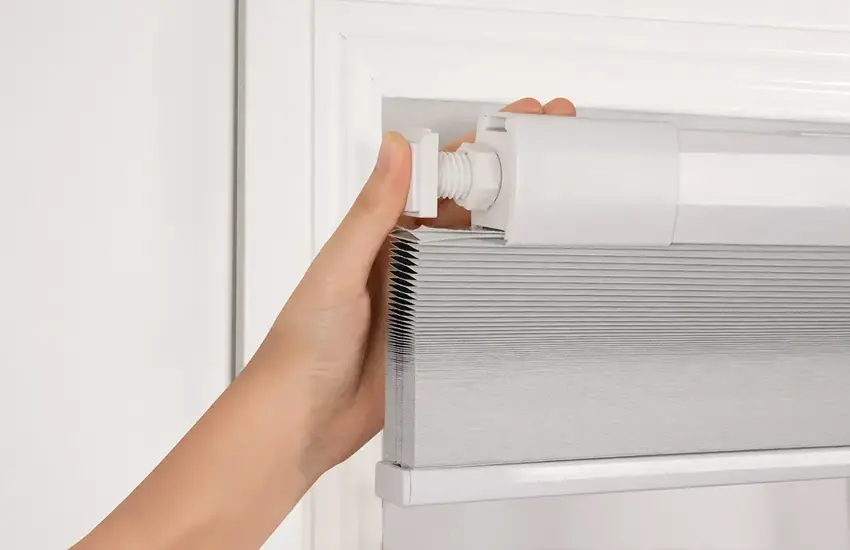


Clean blinds improve the appearance of your windows, reduce indoor dust, and help maintain your window coverings. However, each blind type needs a different cleaning method. Wooden blinds, roller blinds, Roman blinds, and blackout blinds require careful handling to avoid damage.
If you want to know how to clean blinds properly, this guide explains practical cleaning methods for different materials. You’ll also learn how often to clean blinds, which tools to use, and how to care for blinds in Dubai’s dusty climate.
Why Is Regular Blind Cleaning Important?
Window blinds collect dust, dirt, and airborne particles over time. Dust buildup becomes more noticeable on horizontal slats, fabric surfaces, and window coverings near busy roads.
Regular cleaning helps you:
- Reduce dust accumulation on blind surfaces.
- Keep residential and office window blinds looking neat.
- Remove surface dirt before it becomes difficult to clean.
- Support regular blind maintenance.
- Improve the overall appearance of your interiors.
Sunlight exposure, indoor air conditioning, and humidity also influence your cleaning routine. For example, blinds near frequently opened windows might collect dust faster than blinds in less-used rooms.
A simple cleaning routine helps you maintain your blinds without relying on harsh cleaning products or excessive moisture.
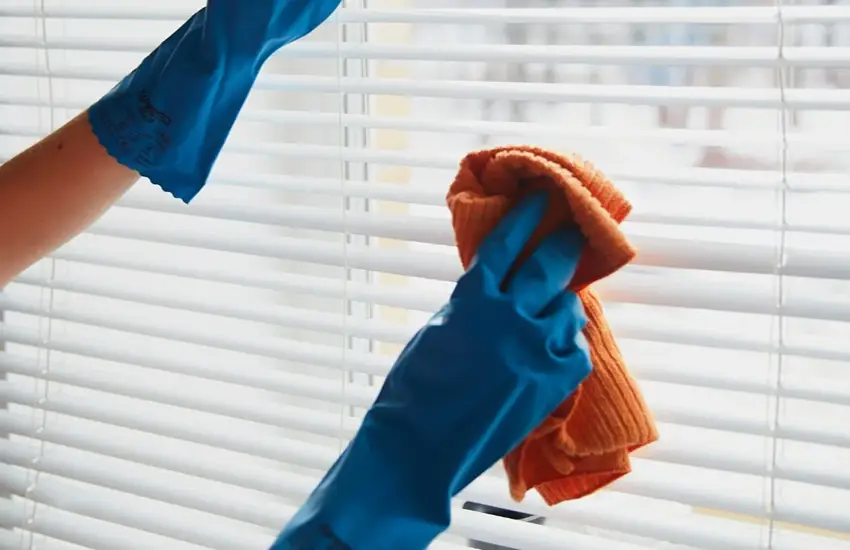
What Tools Do You Need to Clean Blinds?
Before you start, prepare the right blind cleaning tools. Your cleaning equipment depends on the blind material and the level of dirt.
Here are useful items for regular cleaning:
- Microfiber cloth for removing dust and wiping surfaces.
- Vacuum cleaner with a soft brush attachment.
- Mild detergent for suitable washable surfaces.
- Lukewarm water for cleaning compatible materials.
- Soft brush for reaching corners and narrow spaces.
- Clean, dry cloth for removing excess moisture.
Avoid using excessive water on wooden blinds and fabric window coverings. Always follow the manufacturer’s cleaning instructions, especially for motorized blinds and delicate fabrics.
How to Clean Blinds at Home: Step-by-Step Method
Learning how to clean blinds at home starts with a simple routine. Regular dusting helps you avoid heavy dirt buildup and reduces the need for deep cleaning.
Step 1: Remove Dust Before Using Water
Start by closing the blinds according to their design. Use a microfiber cloth, soft duster, or vacuum brush attachment to remove loose dust.
Work gently across the surface. For blinds with slats, clean from one side to the other without applying excessive pressure.
Removing dust first prevents loose particles from spreading across the blind when you use a damp cloth.
Step 2: Check the Blind Material
Identify whether your blinds use fabric, wood, aluminium, vinyl, or another material. Check the manufacturer’s cleaning instructions before applying water or detergent.
Some materials respond well to damp wiping, while others require dry cleaning or professional care.
Step 3: Clean Small Areas First
If the material supports damp cleaning, test a small, less visible area first. Use a slightly damp microfiber cloth and a suitable mild detergent solution.
Avoid soaking the blind. Wipe gently, then remove excess moisture with a dry cloth when appropriate.
Step 4: Allow the Blinds to Dry
Follow the material-specific drying instructions. Keep fabric and wooden blinds from retaining excess moisture.
Proper drying supports window blind care and helps reduce the risk of moisture-related damage.
How to Clean Roller Blinds
Roller blinds feature a continuous fabric or synthetic covering that rolls around a tube. Their cleaning method depends on the fabric, coating, and manufacturer’s instructions.
Follow these steps to clean roller blinds:
- Lower the roller blind to access its surface.
- Remove loose dust with a soft brush or vacuum attachment.
- Wipe suitable surfaces gently with a microfiber cloth.
- Use a mild detergent solution only if the manufacturer’s instructions permit it.
- Remove excess moisture and follow the recommended drying method.
Avoid scrubbing the fabric aggressively. Strong friction might affect the surface finish or coating.
For regular maintenance, dust your roller blinds before dirt accumulates. If your home receives direct sunlight, check the blinds periodically for dust and visible stains.
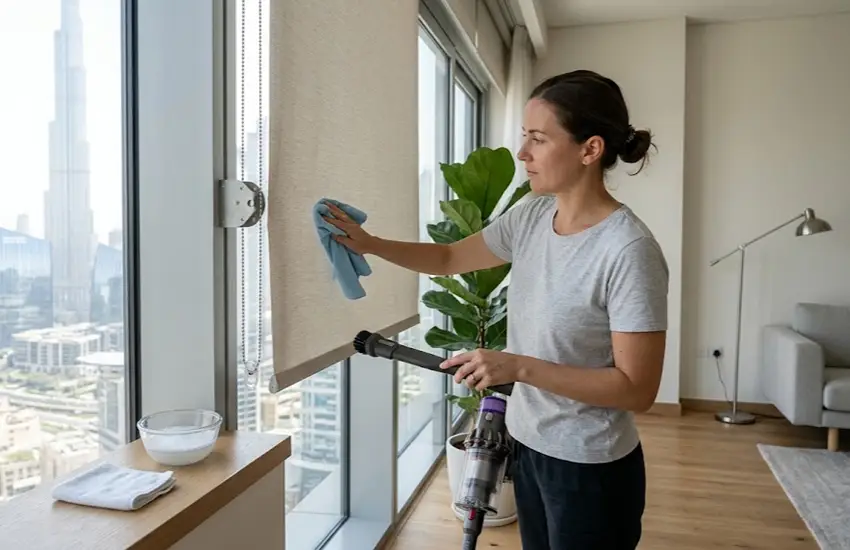
How to Clean Venetian Blinds
Venetian blinds contain horizontal slats, often made from aluminium, wood, or synthetic materials. Their slatted design requires attention to each surface.
Cleaning Venetian Blind Slats
Close the slats in one direction and gently remove dust using a microfiber cloth or soft brush. Turn the slats in the opposite direction and repeat the process.
For suitable materials, use a slightly damp cloth to remove surface marks. Avoid excessive water, especially on wooden slats.
Pay attention to:
- Dust along the edges of each slat.
- Dirt around the headrail.
- Areas near the window frame.
- Cords and control components.
If your Venetian blinds contain wooden components, follow the manufacturer’s care instructions before using any cleaning solution.
How to Clean Vertical Blinds
Vertical blinds feature long, hanging slats. They often appear in living rooms, offices, and large windows.
The best way to clean vertical blinds depends on whether the slats use fabric, vinyl, or another material.
Start by removing dust with a soft brush or vacuum attachment. Work from the top toward the bottom, using gentle movements.
For washable materials, follow the manufacturer’s instructions regarding damp cleaning. Avoid twisting, folding, or scrubbing the slats unnecessarily.
If your vertical blinds have fabric slats, check whether the manufacturer permits removal and washing. Some fabrics require specialist cleaning instead.
How to Clean Roman Blinds
Roman blinds use fabric panels that fold when raised. Their appearance and structure make careful cleaning important.
To clean Roman blinds properly:
- Use a vacuum cleaner with a soft brush attachment.
- Remove dust gently from the visible fabric.
- Pay attention to folds and seams.
- Avoid soaking the fabric.
- Check care instructions before applying detergent.
Fabric Roman blinds for interiors often feature different materials, linings, and finishes. Cleaning requirements vary according to the fabric construction.
For stains, avoid rubbing the area aggressively. Check the manufacturer’s guidance or consult a professional fabric cleaner when the care instructions require specialist treatment.

How to Clean Wooden Blinds
Wooden blinds require careful handling because excess moisture might damage the wood or its finish.
Start with dry dusting. Use a microfiber cloth or soft brush to remove dust from each slat.
For routine cleaning:
- Close the slats in one direction.
- Dust each slat gently.
- Reverse the slat direction.
- Clean the other side.
- Use a dry cloth to remove remaining dust.
Avoid soaking wooden slats or using cleaning products without checking their suitability. Follow the manufacturer’s instructions for finished or treated wood.
Regular dusting supports wooden blind maintenance and reduces the need for intensive cleaning.
How to Clean Blackout Blinds
Blackout blinds use a light-blocking fabric or backing to reduce incoming light. Their coating or lining requires special attention during cleaning.
The best way to clean blackout blinds depends on the fabric and construction. Begin with gentle dust removal using a soft brush or vacuum attachment.
For suitable surfaces, follow the manufacturer’s instructions regarding damp wiping. Avoid harsh scrubbing, strong chemicals, and excessive water.
If the blackout backing becomes damaged, cleaning might worsen the issue. Check the care instructions before attempting stain removal.
Blackout window coverings for bedrooms benefit from regular dusting, especially in rooms where blinds remain closed for extended periods.
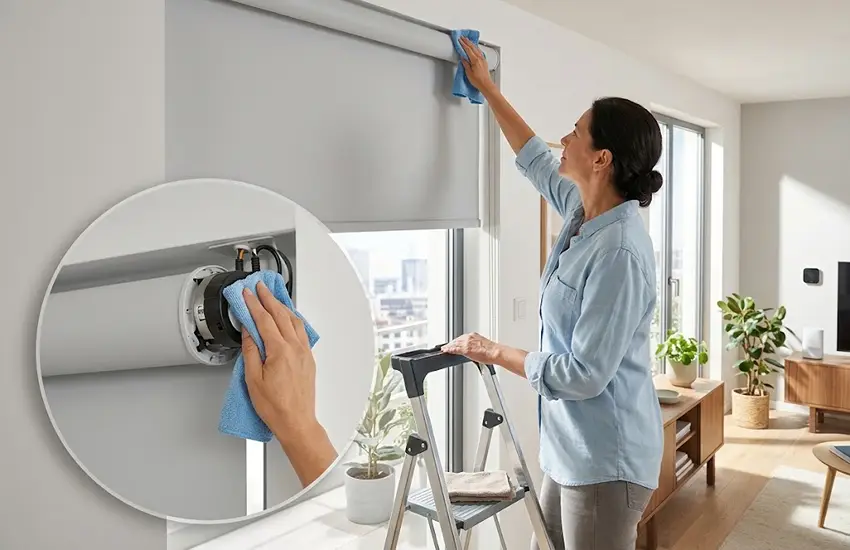
How to Clean Motorized Blinds Safely
Motorized blinds include electrical components, motors, and control systems. Cleaning requires attention to both the covering and its operating parts.
Use a dry or slightly damp cloth on compatible surfaces. Keep water away from motors, electrical connections, and control components.
Avoid spraying cleaning products directly onto the blind. Instead, apply an appropriate cleaning solution to a cloth when the manufacturer’s instructions permit it.
For smart systems, follow the manufacturer’s maintenance guidance. Smart motorized window treatments require care for both the window covering and its control equipment.
If you notice unusual motor sounds or operating problems, contact the supplier or service provider for guidance.
How Often Should You Clean Blinds?
How often should you clean blinds? Most homes benefit from regular dusting and periodic deeper cleaning, depending on the material and indoor conditions.
A practical routine includes:
Weekly Dusting
Remove visible dust from blinds in frequently used rooms. Focus on living rooms, bedrooms, and areas near open windows.
Monthly Cleaning
Inspect blinds for accumulated dirt, fingerprints, and visible marks. Clean suitable surfaces according to the material’s care instructions.
Seasonal Inspection
Check blind surfaces, control mechanisms, and fabric condition. Look for stains or dust buildup that regular dusting has not removed.
Your routine should reflect the room’s use, window exposure, and blind material.
Blind Cleaning Tips for Homes in Dubai
Blinds in Dubai often face dusty windows, indoor dust, and strong sunlight exposure. These conditions make regular window blind care useful for residential and commercial spaces.
Air conditioning also influences indoor conditions. Dust settles on surfaces over time, including window coverings.
Here are practical maintenance tips:
- Dust blinds regularly, especially near frequently opened windows.
- Use soft cleaning tools to avoid scratching surfaces.
- Check fabric and wood care instructions before damp cleaning.
- Inspect blinds exposed to direct sunlight.
- Clean office window blinds according to the level of daily use.
- Address visible stains before they become harder to remove.
Humidity varies across Dubai throughout the year. Follow the manufacturer’s instructions for moisture-sensitive materials and ensure suitable drying after approved damp cleaning.
For homeowners selecting new window coverings, custom window blinds for Dubai homes provide options suited to different window sizes, room requirements, and interior styles. Cleaning requirements still depend on the selected material and construction.
Common Blind Cleaning Mistakes to Avoid
Cleaning blinds requires more than removing visible dust. Certain methods might damage the surface or fabric.
Avoid these common mistakes:
Using Too Much Water
Excess moisture might damage wooden blinds, fabric coverings, or sensitive backing materials.
Applying Harsh Chemicals
Strong cleaning products might affect finishes, coatings, or fabric surfaces. Check product compatibility before use.
Scrubbing Stains Aggressively
Hard scrubbing might spread stains or damage delicate surfaces. Follow the recommended stain removal method.
Ignoring Manufacturer Instructions
Different materials require different cleaning methods. Follow the care instructions for your specific blind type.
Forgetting Control Components
Motorized blinds require careful cleaning around electrical and mechanical components. Keep moisture away from sensitive parts.
Final Thoughts
Learning how to clean blinds properly helps you maintain clean, attractive window coverings. Start with regular dusting, choose tools suited to the material, and follow the manufacturer’s cleaning instructions.
Wooden blinds, roller blinds, Roman blinds, and blackout blinds each require different care. A consistent cleaning routine helps you manage dust buildup and maintain your window coverings over time.
If you’re choosing new blinds, consider the material, room requirements, cleaning needs, and operating system before making a decision.