
Choosing the right blind depends on more than colour or style. You need to consider sunlight, privacy, room use, window size, control options, and maintenance. The right choice should suit your interior and your daily needs.
If you are unsure where to start, follow these steps to narrow down your options.
1. Start With the Room
Think about where you will install the blind. Each room has different requirements.
Bedrooms often need better light control and privacy, especially if you want a darker environment for sleeping. Living rooms usually need a balance between natural light, privacy, and appearance.
For home offices, consider how sunlight affects your screen during the day. Kitchens and other busy areas benefit from blinds that are simple to operate and easy to maintain.
Start with the room rather than choosing a blind based only on its appearance. This helps you focus on features that matter for everyday use.
2. Decide How Much Light You Want
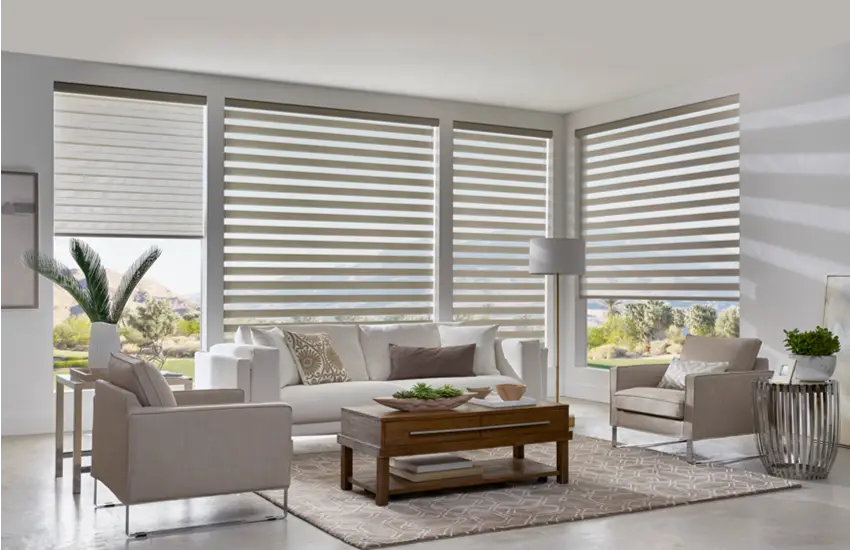
Light control is one of the first things to consider when choosing a blind.
Ask yourself how much natural light you want in the room. Do you want plenty of daylight throughout the day, filtered light, or a darker space?
If you want to keep the room bright while reducing harsh sunlight, look for a blind designed to filter incoming light.
If your priority is stronger light control, blackout blinds are a suitable option to consider. They work well in spaces where reducing incoming light is important, such as bedrooms and media rooms.
Think about when sunlight enters your room as well. A window facing strong afternoon sun has different requirements from one receiving softer morning light.
3. Consider Privacy
Privacy becomes especially important for bedrooms, bathrooms, living areas, and windows facing neighbouring buildings.
Look at your window from both inside and outside. Consider whether people outside might see into the room during the day or evening.
Your preferred level of privacy will help determine the type of blind you need. Some blinds allow you to control how much of the window remains covered, while others provide more consistent coverage.
For street-facing windows or homes close to other properties, prioritise privacy alongside light control.
4. Choose the Right Blind Style
Once you understand your practical needs, consider the style.
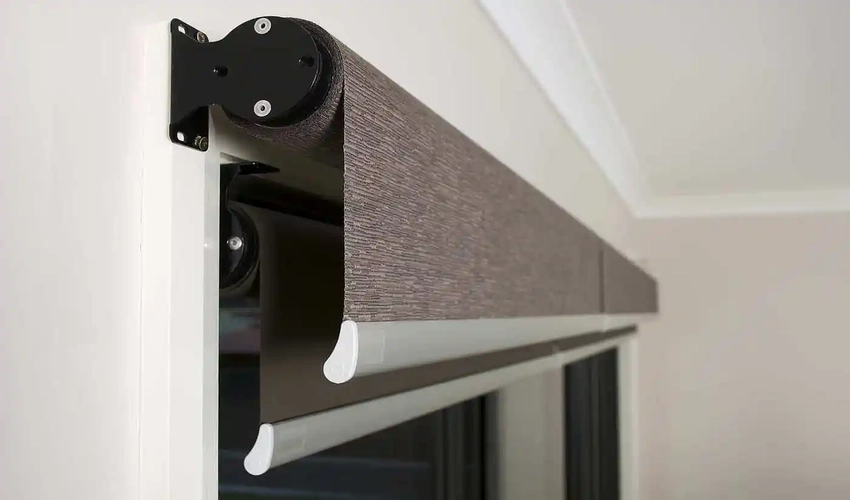
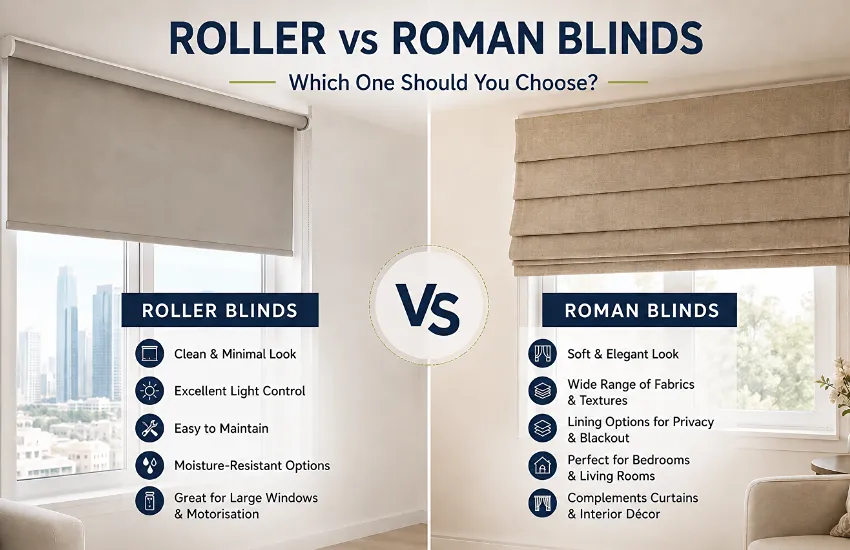
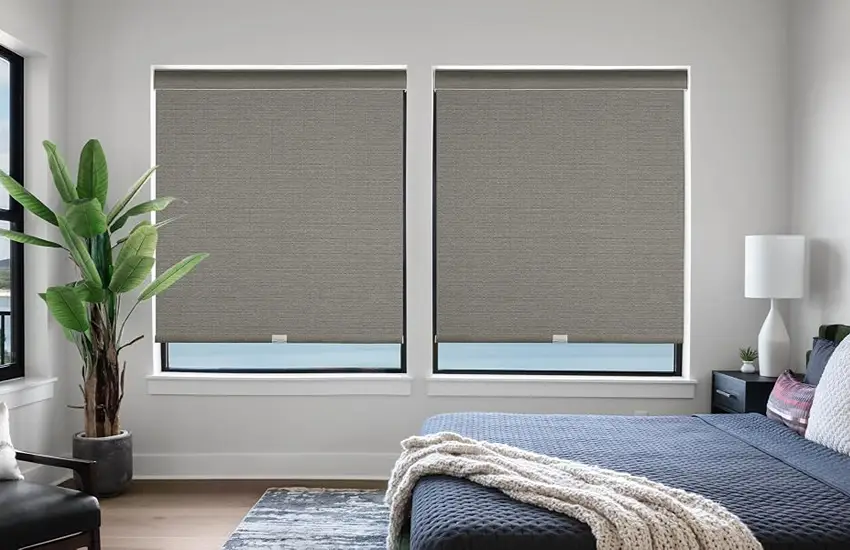
Roller blinds offer a simple look and work well across different rooms. Their clean appearance suits modern interiors and gives you a straightforward way to cover the window.
If you prefer this style, explore your options for Roller window blinds before making a final decision.
Other blind styles have different visual and functional characteristics. The best choice depends on your room, window, furniture, and preferred interior style.
Avoid choosing a style simply because it looks good in a product photograph. Consider how it will look alongside your existing walls, flooring, furniture, and curtains.
5. Match the Blind to Your Window
Your window size and shape also matter.
Measure the window carefully before ordering your blind. Check the width and height at the points required by the installation method. Also consider whether the blind will sit inside the window recess or outside it.
Look around the window for handles, frames, furniture, or other objects that might affect how the blind operates.
Large windows might need a different approach from smaller windows. If you have several windows in the same room, consider whether you want matching blinds throughout the space.
Accurate measurements help reduce fitting problems and ensure the finished installation looks balanced.
6. Think About the Colour
Colour affects how the blind fits into your room.
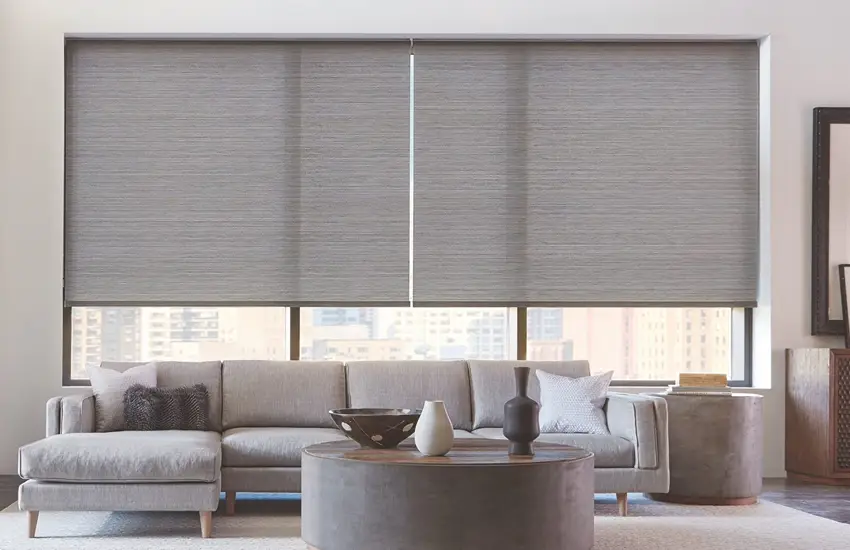
Neutral shades work well when you want the window covering to blend with the rest of the interior. Stronger colours create more visual contrast and make the window a more noticeable feature.
Look at your wall colour, flooring, furniture, curtains, and other finishes before choosing.
Also consider how the colour looks in natural and artificial light. A sample viewed on a screen might look different inside your room.
If you are unsure, compare a few samples against the wall and nearby furniture before making your final choice.
7. Decide How You Want to Operate the Blind
Think about how often you will open and close the blind.
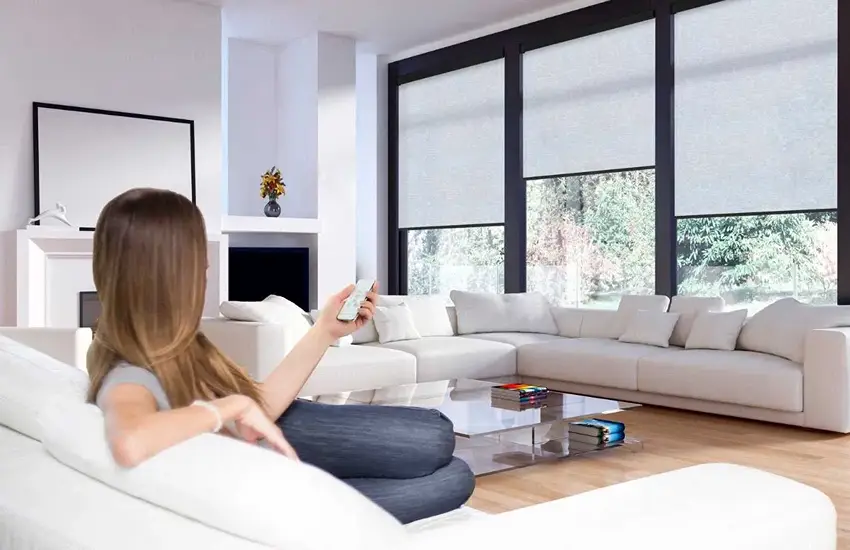
Manual operation works well for windows you access easily. If you have hard-to-reach windows or want easier control, consider motorised options.
Your choice should also fit the way you use the room. For example, you might want quick control over bedroom blinds without getting up to adjust each window individually.
Consider the location of the window, how frequently you adjust the blind, and who will use it.
8. Consider Maintenance
Every blind needs some level of cleaning and care.
Before choosing, think about how easy it will be to keep the blind looking clean. Windows in busy areas often collect more dust, while blinds in kitchens might need more frequent cleaning.
Ask about the recommended cleaning method for the specific blind material before purchasing.
Choose an option that fits your routine. A blind that looks good but requires more care than you want might not be the right choice for your home.
Read about blinds maintenance guide.
9. Set Your Budget Before Choosing
Your budget helps narrow your options.
Consider the cost of the blinds, measuring, installation, and any additional control features. If you have several windows, calculate the overall project rather than looking at the price of one blind alone.
Do not choose based on price alone. Think about the features you need and the expected use of the blinds.
A clear budget also makes it easier to compare different styles and specifications without spending time on options outside your range.
10. Get Professional Advice Before Ordering
If you are still unsure, speak with a professional before making your final decision.
A blinds specialist can assess your windows, discuss suitable styles, and help you compare options based on your room requirements.
Working with an experienced blinds company in Dubai also gives you an opportunity to discuss measuring, installation, operation, and the finish you want.
Bring your practical requirements to the consultation. Tell them how much light and privacy you need, which rooms you are covering, and whether you prefer manual or motorised operation.
How to Choose the Right Blind for Each Room
Your choice becomes easier when you look at each room separately.
Bedroom: Focus on privacy and light control.
Living room: Consider natural light, privacy, and how the blind fits your interior.
Home office: Think about sunlight, screen glare, and convenient operation.
Kitchen: Prioritise practicality and easy maintenance.
Large windows: Pay close attention to accurate measurements and the operating method.
The same blind does not need to work for every room. Different spaces often have different requirements.
Final Checklist Before You Buy
Before ordering your blinds, check these points:
- Room and window use
- Required level of light control
- Privacy requirements
- Blind style
- Window measurements
- Colour and interior design
- Manual or motorised operation
- Cleaning requirements
- Overall budget
- Installation requirements
Taking a few minutes to review these points helps you make a more informed choice.
The perfect blind is the one that suits your window, room, lifestyle, and practical requirements. Start with function, then narrow down the style, colour, and operating options. If you are unsure about measurements or installation, professional guidance will help you choose with greater confidence.